Discovering the Trick Responsibilities of a Professional Bookkeeper in Finance
The role of a professional bookkeeper is fundamental in the domain name of money. They are entrusted with preserving exact monetary records, handling accounts receivable and payable, and making sure conformity with monetary policies. Additionally, their responsibility encompasses preparing economic declarations and records. Each of these tasks contributes to the financial health of an organization. The subtleties of their work frequently go undetected, elevating concerns about the influence of their expertise on broader financial approaches.
Keeping Accurate Financial Records
Keeping precise economic records is an essential duty for expert bookkeepers. This job needs meticulous focus to detail and a comprehensive understanding of economic principles. Accountants are accountable for documenting all monetary transactions, making sure that data is taped regularly and properly. They utilize numerous accounting software program and tools to enhance the recording process, which enhances performance and decreases the threat of errors.
Routine settlement of accounts is vital, permitting bookkeepers to determine disparities and correct them without delay. By maintaining arranged and current records, they give valuable understandings into the economic health of an organization. This obligation additionally encompasses the preparation of monetary declarations, which function as a significant resource for administration decision-making. Inevitably, the accurate economic documents kept by accountants sustain compliance with regulative needs and foster trust among stakeholders, consequently adding to the overall success of business.
Handling Accounts Payable and Receivable
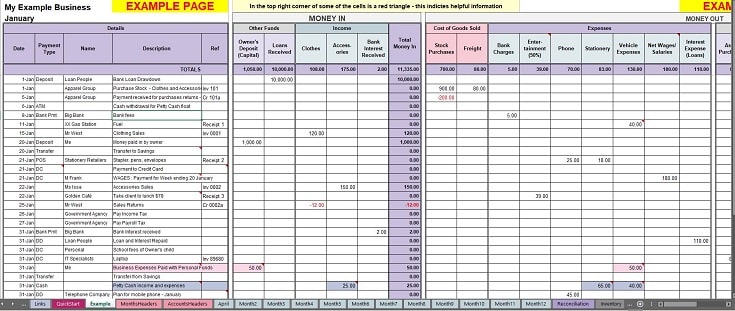
Effectively taking care of accounts payable and receivable is an important facet of a bookkeeper's duty, ensuring that a company's money circulation stays healthy and balanced. This responsibility includes monitoring outgoing and inbound settlements, which enables prompt billing and collections from customers while also ensuring that the company meets its monetary commitments to providers and vendors.
Bookkeepers have to maintain precise documents of billings, settlement terms, and due dates, assisting in reliable communication with consumers and lenders. By checking these accounts, they can identify inconsistencies or past due accounts, making it possible for proactive actions to solve concerns prior to they rise.
Furthermore, a bookkeeper's function includes reconciling accounts to guarantee that all financial transactions line up with bank statements and interior records. This diligence not only enhances financial transparency but also supports strategic financial planning, permitting the company to allot sources successfully and keep a durable economic setting.
Making Sure Conformity With Financial Laws
While steering through the complex landscape of financial laws, a bookkeeper plays an important role in guaranteeing an organization abides by legal criteria and standards. This duty consists of remaining updated on modifications in tax legislations, conformity demands, and industry-specific regulations. Best Bookkeeper Calgary. By carefully tracking financial purchases and maintaining accurate documents, the accountant helps prevent infractions that can cause charges or legal concerns
Furthermore, the bookkeeper checks inner controls to safeguard versus fraud and mismanagement. They apply procedures that promote openness and accountability within the monetary framework of the company. Partnership with auditors and governing bodies additionally solidifies compliance initiatives, as bookkeepers give needed documentation and assistance during evaluations.
Ultimately, the commitment to conformity Best Bookkeeping Calgary not only shields the company but additionally enhances its reliability with stakeholders, cultivating count on and security in its financial methods.
Readying Financial Statements and Reports
Preparing monetary declarations and reports is an important task for bookkeepers, as it offers stakeholders with a clear overview of an organization's economic wellness. Best Bookkeeping Calgary. These records, which normally include the equilibrium sheet, income statement, and capital statement, summarize the monetary tasks and placement of business over a particular duration. Bookkeepers diligently collect, document, and arrange financial data to ensure accuracy and conformity with relevant accounting standards
The preparation process includes resolving accounts, validating transactions, and adjusting entries as required. Through this complete strategy, accountants aid assure that economic declarations mirror real state of the company's financial resources. In addition, prompt prep work of these records is necessary for reliable decision-making by administration, financiers, and regulative bodies. By supplying exact and clear monetary paperwork, bookkeepers play an important function in preserving transparency and depend on within the monetary environment of the organization.
Offering Financial Insights and Analysis
Accountants assess economic information to give beneficial understandings that educate calculated decision-making within a company. By thoroughly examining fads in profits, expenses, and cash flow, they help recognize areas for improvement and emphasize prospective risks. Bookkeeper Calgary. These understandings enable management to allot sources much more effectively and readjust organization techniques as necessary

In addition, by leveraging economic software application and analytical tools, accountants can provide data in a understandable and clear style, making it simpler for decision-makers to grasp intricate monetary issues. Inevitably, the understandings derived from an accountant's analysis empower companies to make informed selections that enhance productivity and drive growth.
Regularly Asked Concerns
What Software Equipment Do Professional Bookkeepers Generally Make Use Of?
Professional accountants typically utilize software tools such as copyright, Xero, Sage, and FreshBooks. These applications simplify monetary monitoring, help with precise record-keeping, and enhance reporting abilities, permitting for efficient handling of monetary purchases and data analysis.
Just how Does a Bookkeeper Differ From an Accountant?
An accountant primarily manages everyday economic transactions and record-keeping, while an accountant evaluates economic data, prepares statements, and uses critical advice. Their roles match each various other yet emphasis on distinct aspects of monetary administration.

What Certifications Are Needed to End Up Being a Bookkeeper?
To end up being a bookkeeper, individuals generally need a secondary school diploma, efficiency in accountancy software application, and understanding of fundamental bookkeeping principles. Some might go after certifications or associate degrees to improve their qualifications and task leads.
How Often Should Financial Records Be Upgraded?
Financial records need to be upgraded on a regular basis, ideally on a weekly or day-to-day basis, to ensure precision and timeliness. This method enables efficient tracking of monetary activities and sustains informed decision-making within the company.
Can a Bookkeeper Help With Tax Prep Work?
Yes, an accountant can help with tax preparation by organizing economic records, making certain precise documents, and offering essential reports. Their proficiency aids improve the procedure, making it easier for tax obligation experts to full returns effectively.
They are charged with keeping accurate monetary documents, managing accounts receivable and payable, and ensuring compliance with monetary laws. Preparing financial statements and records is a crucial task for accountants, as it gives stakeholders with a clear summary of an organization's economic wellness. Through this extensive strategy, accountants help guarantee that monetary statements show the real state of the company's funds. By leveraging financial software and analytical tools, bookkeepers can provide data in a understandable and clear layout, making it easier for decision-makers to grasp complex financial issues. A bookkeeper primarily takes care of day-to-day economic transactions and record-keeping, while an accountant analyzes financial information, prepares declarations, and supplies critical suggestions.